Uber Safari: A New Frontier, Or a Test of Tourism’s Core Values
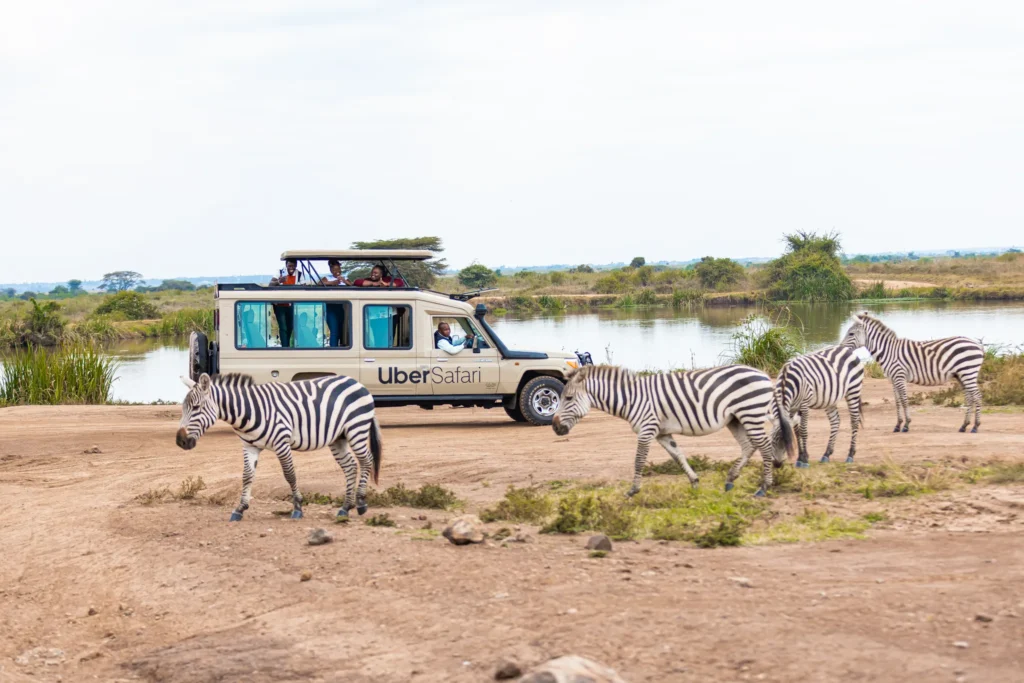
NAIROBI, Kenya – The launch of Uber Safari in Nairobi National Park arrived with the roar of innovation, promising to make Kenya’s iconic wildlife accessible with a mere tap. On the surface, it’s a compelling narrative: new earning opportunities for local operators, billions injected into the economy, and a seamless connection between city and wilderness.
But for those of us deeply invested in the long-term health and integrity of this sector—the leaders, the strategists, the guardians of Africa’s unparalleled safari legacy—this moment demands far more than surface-level celebration. It demands rigorous, uncomfortable scrutiny.
Are we truly balancing increased accessibility with the non-negotiable demands of ecological and community sustainability? Are these “new income streams” ushering in genuine, equitable partnerships, or merely reconfiguring existing roles in favor of powerful digital platforms? And perhaps most critically, are we, in our pursuit of modernization, risking the very dilution of the unique, world-class visitor experience that defines an authentic African safari, trading its profound essence for transactional convenience?
This isn’t merely about new bookings; it’s about the soul of our tourism. Join us as we ask the difficult questions, dissect the strategic imperatives, and collectively chart a course forward, before the new frontier tests the very core values we strive to uphold.